So, what can we do?
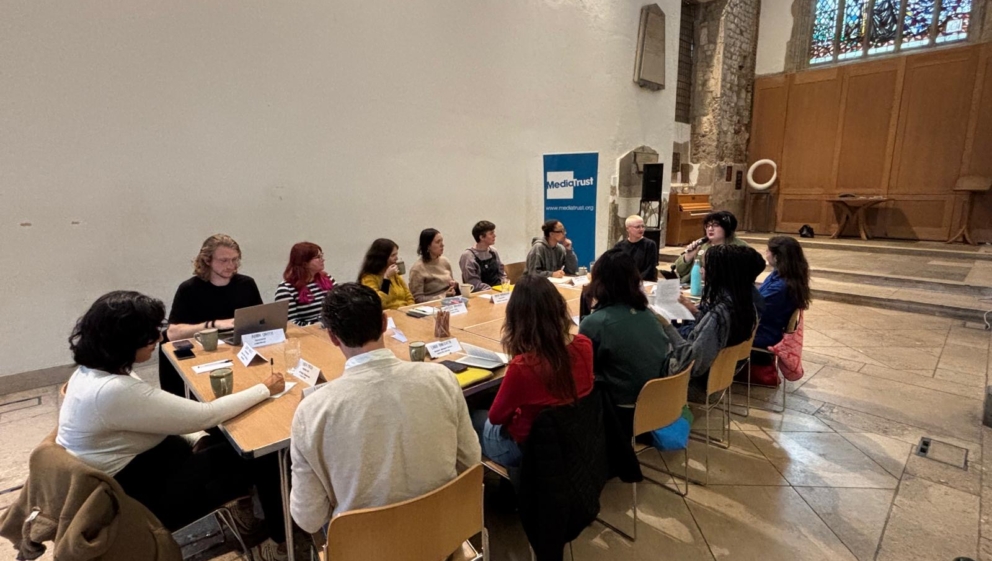
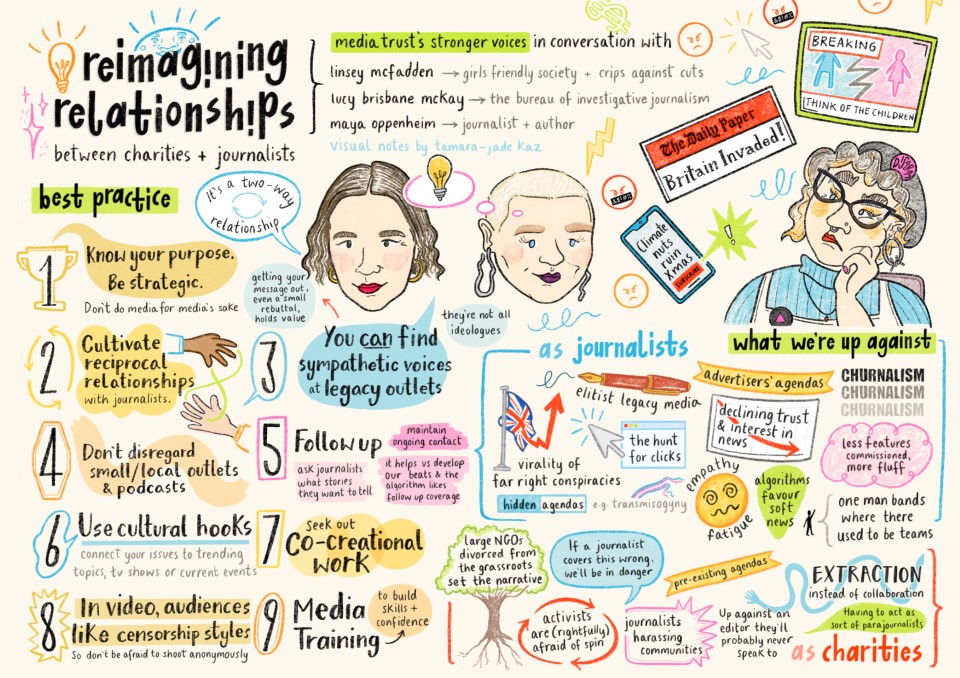
Whilst the very real challenges were voiced and discussed, practical and thoughtful next steps also emerged from the roundtable.
1) Invest in relationships, not just coverage
Journalists and charities alike agreed: relationships take time. But they’re essential. Mutual trust, built slowly and respectfully, makes it more likely that stories will be told well and with care. That might mean turning down a fast story now in favour of a deeper partnership later.
Linsey from Girls Friendly Society also encouraged fellow charities to research the journalists who get in touch, just as journalists will research them. Look at their past work, follow them on social, and consider starting a dialogue before the story is urgent.
2) Prioritise safety and consent
Media coverage can have both positive and unfortunately, sometimes negative long-lasting impact. Several charity professionals said they regularly decline interviews from certain publications due to concerns around tone, accuracy, or safety for their beneficiaries. And they’re right to be cautious.
Journalists can help by offering off-the-record conversations, listening to concerns, and thinking creatively about how stories are told. Whether that’s using anonymised case studies or involving people with lived experience as collaborators, not just for click-bait quotes.
3) Explore smaller, values-aligned media outlets
Stories in national high-reach media outlets aren’t the only route. Several participants shared how working with smaller, mission-led platforms can often offer more control, care, and collaboration.
Two such outlets, Greater Community Media (GCM) and Byline Times, were part of the roundtable and shared insights into how they’re rethinking journalism from the ground up. GCM focuses on rebuilding local trust through community-led storytelling, while Byline Times champions investigative, values-driven reporting often overlooked by mainstream media outlets.
Participants spoke of the rise of social media and algorithm-driven content has changed the landscape. As Lucas from GCM discussed, in today’s fast-moving media environment, charities aren’t just pitching stories, they can also be the storytellers. By creating content within their own communities, charities can take greater ownership of the narrative and push back against dominant, oversimplified media frames.
4) Train and support spokespeople with care
Charities asked whether more support could be given to help frontline staff and beneficiaries feel confident in engaging with the media. Programmes like Neon’s spokesperson training were mentioned as a valuable training programme. But there was also a wider call for journalist training too, especially around working with charities, trauma-informed interviewing, and ethical storytelling.
5) Be strategic about media work
Don’t do media for media’s sake. Not every story needs to be told right now, and not every opportunity is the right one. Think about your audience, your values, and the long-term impact of sharing a story, not just the immediate reach.